The national economy was roaring and Western Pennsylvania was the epicenter of global industry. The Pirates were just coming off a World Series win and there was a Mellon in the White House, giving the city a direct pipeline in shaping federal policy.
In those jazzy years, the money and bootlegged liquor flowed freely, and for a brief period of time, Pittsburghers must’ve felt immortal. A real skyline was taking shape, the Liberty Tunnel had just opened and work was underway on the bridge. The regional trolley system was humming, and more and more people could buy cars on credit.
For many, that meant an escape from the industrial core, and suburbs outside the city began rapidly blossoming. Townships like Mt. Lebanon, Dormont, and Green Tree grew at a rate that is unfathomable 100 years later.
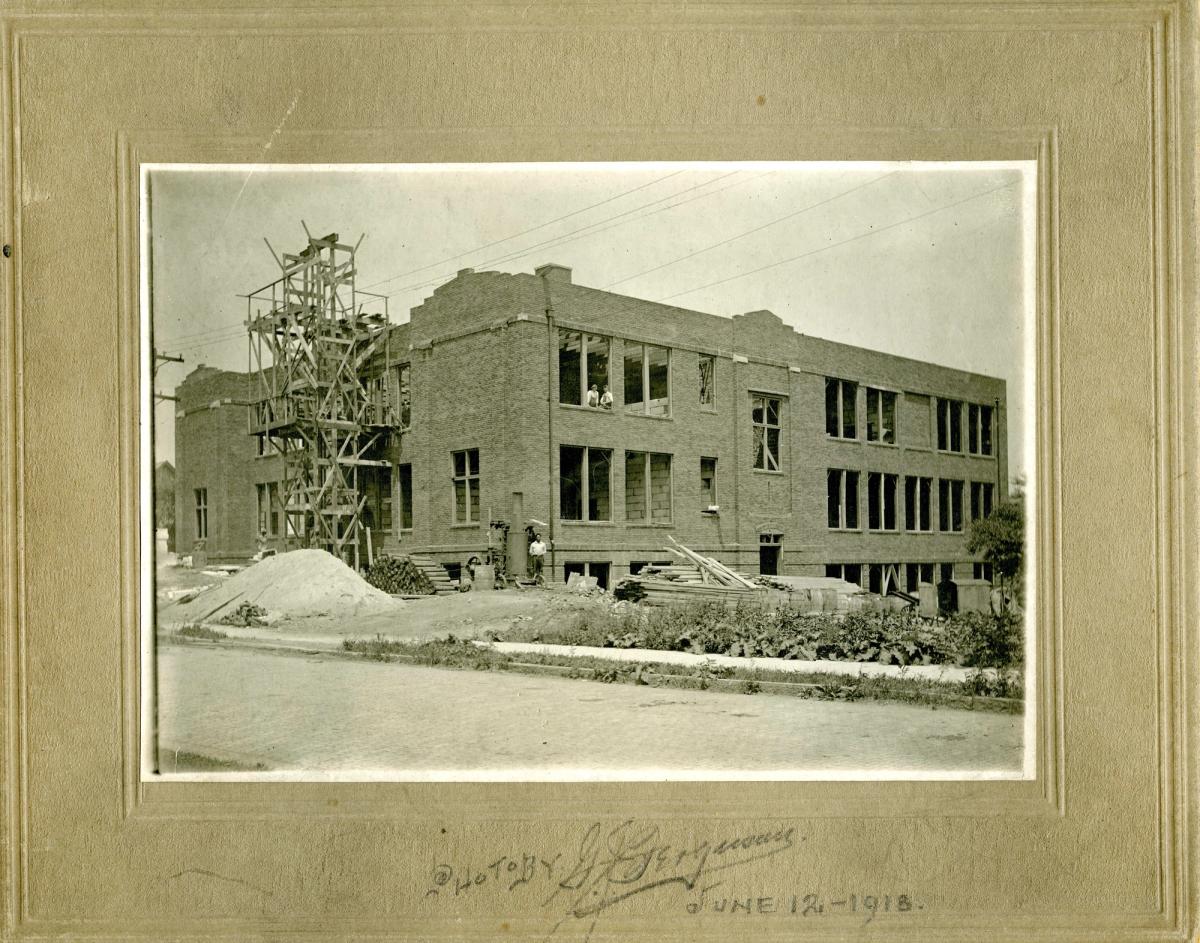
One of the earliest Busse projects underway in 1918
These new suburbanites needed homes and stores and churches, and for a skilled tradesman the American dream was right there. All one had to do was reach out and take it.
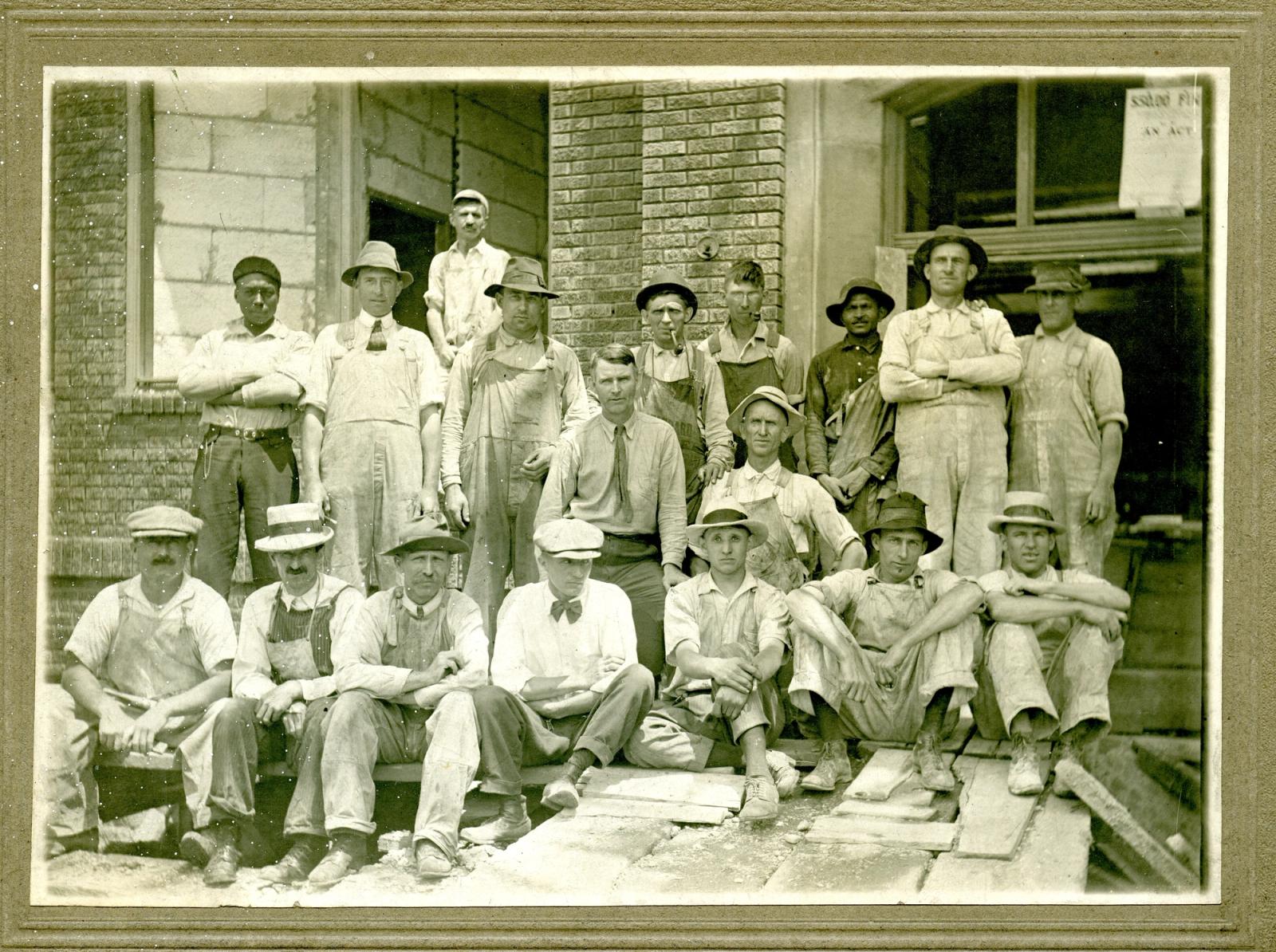
One such young man was a bricklayer by the name of Francis Joseph Busse. He saw what was happening outside the city and wanted a piece of the pie, and in the early 1920’s, he started his own construction firm headquartered out of an Oldsmobile dealership on Noblestown Road.
Busse built homes, and somewhat uniquely, bought land in and around the blooming suburbs. A century later, Oldsmobile is long gone, but the facility remains and the Busse family still operates out of it. Building, adapting, and surviving in a world extraordinarily different than the one in which the company was founded.
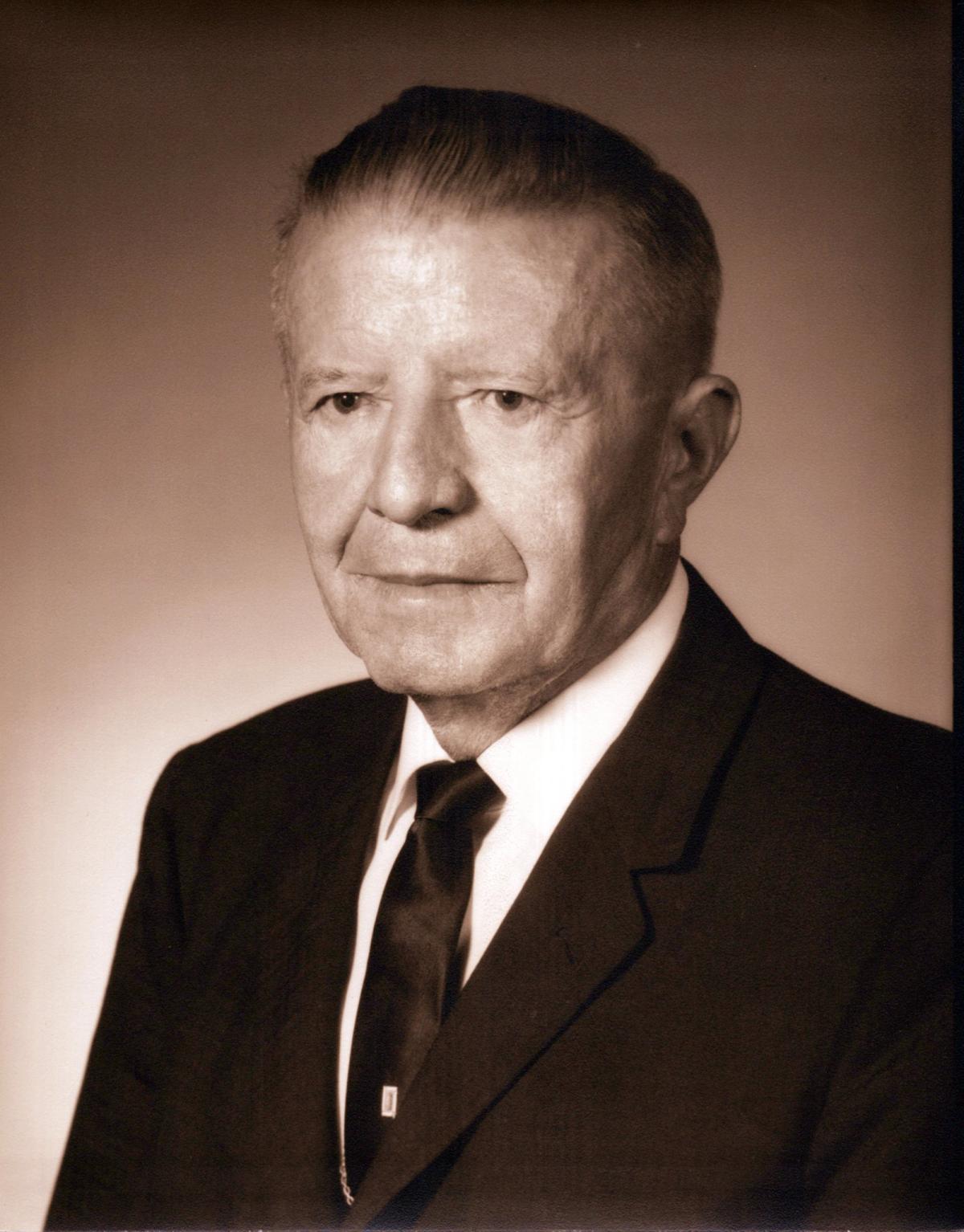
A portrait of Francis Joseph, the Busse family patriarch in 1963.
Longevity at that scale is exceedingly rare. Some estimates suggest that fewer than one-half of one percent of American companies reach their centennial.
And for good reason: on that kind of timeline, the challenges become biblical. One is no longer competing against the ebbs and flows of minor recessions and leadership turnover, but Great Depressions, World Wars, industrial collapses, terrorist attacks, global pandemics, and dizzying changes in technology.
Those who achieve this at a national level often become imprinted into the country’s DNA. Businesses like Levi-Strauss, Hershey, Ford, Coca-Cola are Americana personified. For a local construction firm, it’s no different. Survive that long and your work is part of the city’s fabric.
But to get there, every generation must overcome its own unique historic challenges.
Francis’s trial by fire began fairly shortly after moving into the Oldsmobile dealership, when the entire economy imploded. While no formal data exists, some sources estimate that Pennsylvania unemployment hit 37 percent by 1933. He scraped through The Great Depression by the skin of his teeth thanks to hard work and partnerships with the Catholic Diocese, which enabled him to become deeply involved in church and school construction at a time when parish life and neighborhood development were deeply intertwined.
His tenacity enabled his successors to think bigger and put their fingerprints on the city skyline. Francis Joseph’s son, Bob, attended Carnegie Tech and returned to the business as an engineer. His challenge in the post war-boom years was driving the company beyond masonry and residential development into larger institutional and civic work.
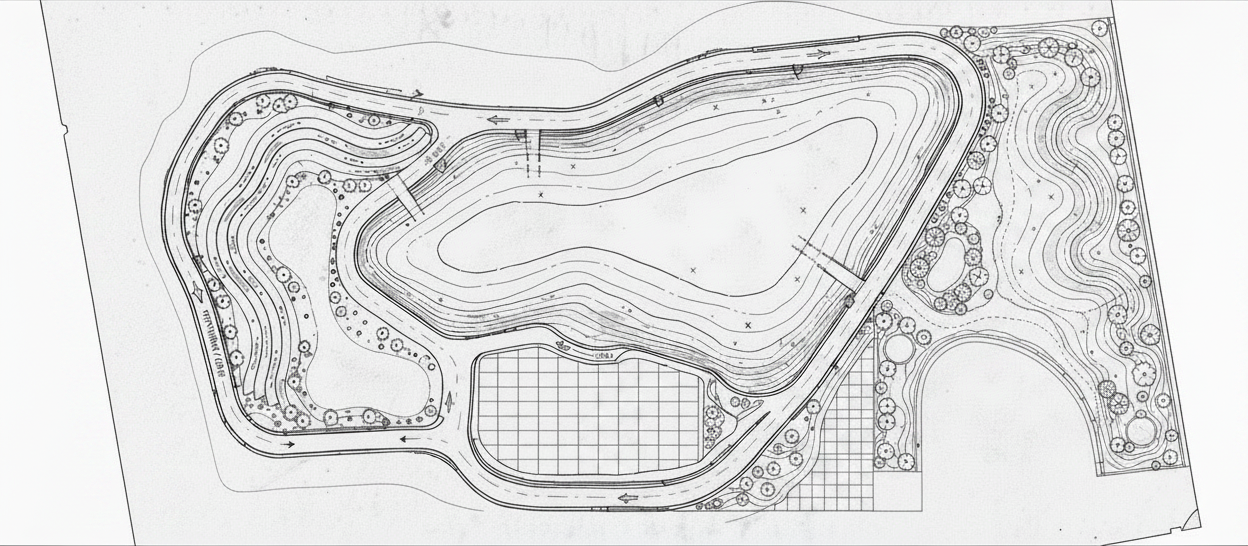
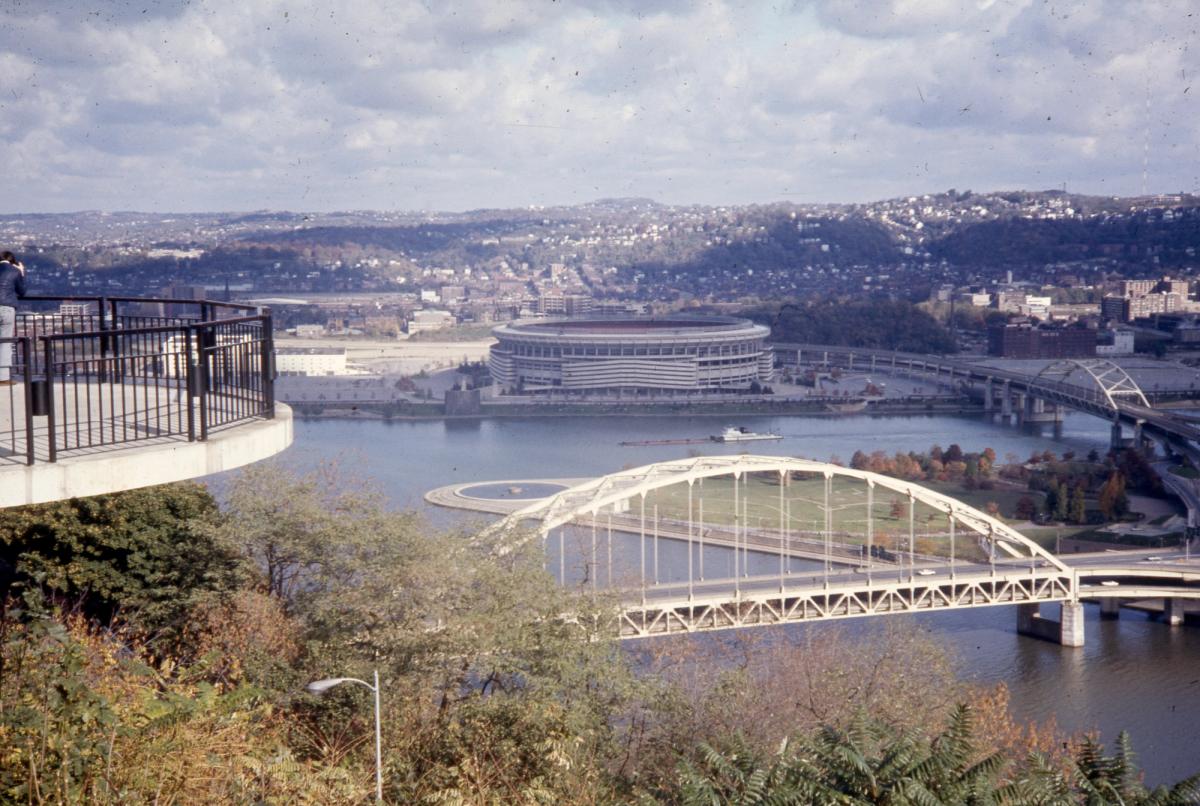
By the 1960s and early 1970s, he had succeeded. And Bob and his son John would become involved in two projects that shape Pittsburgh’s persona to this day: the Mount Washington overlooks and the Fountain at Point State Park.
The Mount Washington Overlooks shortly after construction.
For John, then stepping into leadership, the challenge was environmental and economic. Their marquee project, the fountain, unfolded during Hurricane Agnes, the most destructive storm in Pennsylvania history. Floodwaters swallowed portions of Point State Park so completely that only the boom of a crane remained visible above the waterline.
But both succeeded and are now inseparable from Pittsburgh’s visual identity. Millions see the Busse legacy in NFL broadcasts, tourism campaigns, skyline photography, and nearly every televised aerial shot of Pittsburgh. For the family, Point State Park and the Overlooks became what John’s son, John Paul, described as the “profile projects” of his father and grandfather’s generation.
It was also economic. Steel began its collapse in the 1970’s, ushering in a mini-Great Depression across western Pennsylvania. The local economy cratered, and a great outmigration from the region began that took decades to recover from.
John Paul, the current steward, entered the company in the mid-1980’s when the worst was over. No special courtesy was given for the boss’s son and heir apparent. Like his father and grandfather before him, he had earn his stripes in the field.
“I was a wild young kid. I worked in the field doing labor in the summers. Dad would say ‘hey you’re going here tomorrow,’ and off I’d go.”
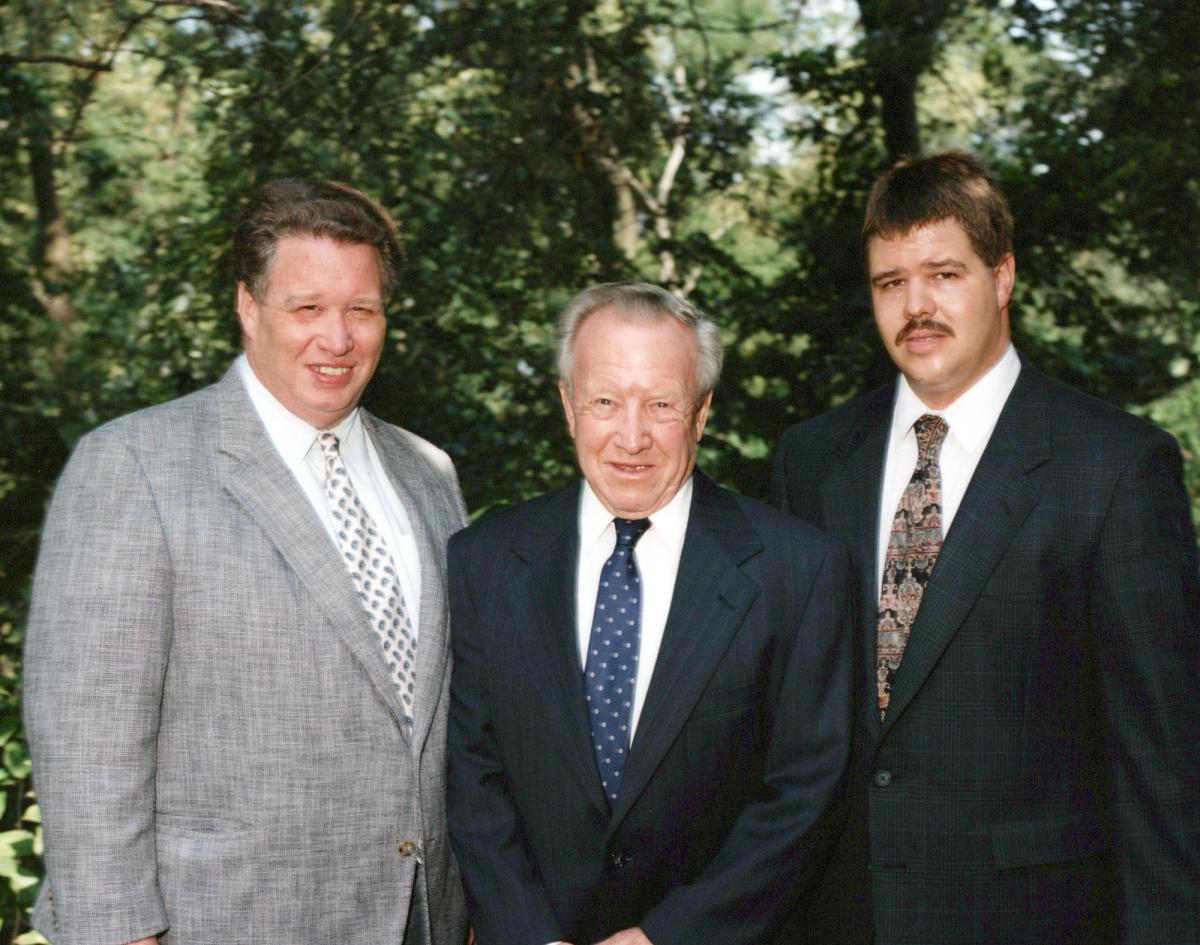
A young John Paul with his father John, and grandfather, Bob
He spent his high school years performing labor and demolition work learning the trade from grizzled superintendents and battle-hardened (literally) tradesmen from an older generation of Pittsburgh construction tradesmen in the Carpenter Apprenticeship Program.
One of the most influential figures during those early years was superintendent Sam Iovino, a World War II vet who had worked on projects including Point State Park. Busse recalls driving from site to site in Sam’s station wagon laying out buildings with transit equipment, pulling lines in the blistering August heat across muddy job sites, learning geometry, grading, and field coordination in real time.
At the time, the work environment was blunt and demanding. Mistakes were called out ruthlessly and often accompanied by colorful profanity. These old timers would have likely belted someone who mentioned sensitivity training, but the years working under men like Sam instilled a deep understanding of how projects were actually built.
“I learned my work ethic from these guys,” Busse recalls. “The guys in the field and my father and grandfather. My grandfather came into the office every day until he was injured at 89.”
Busse’s transition into leadership happened gradually, and largely out of necessity. He began spending more time in the office when a longtime superintendent became seriously ill. What started as helping coordinate manpower and logistics slowly expanded into project management, estimating, scheduling, and operations.
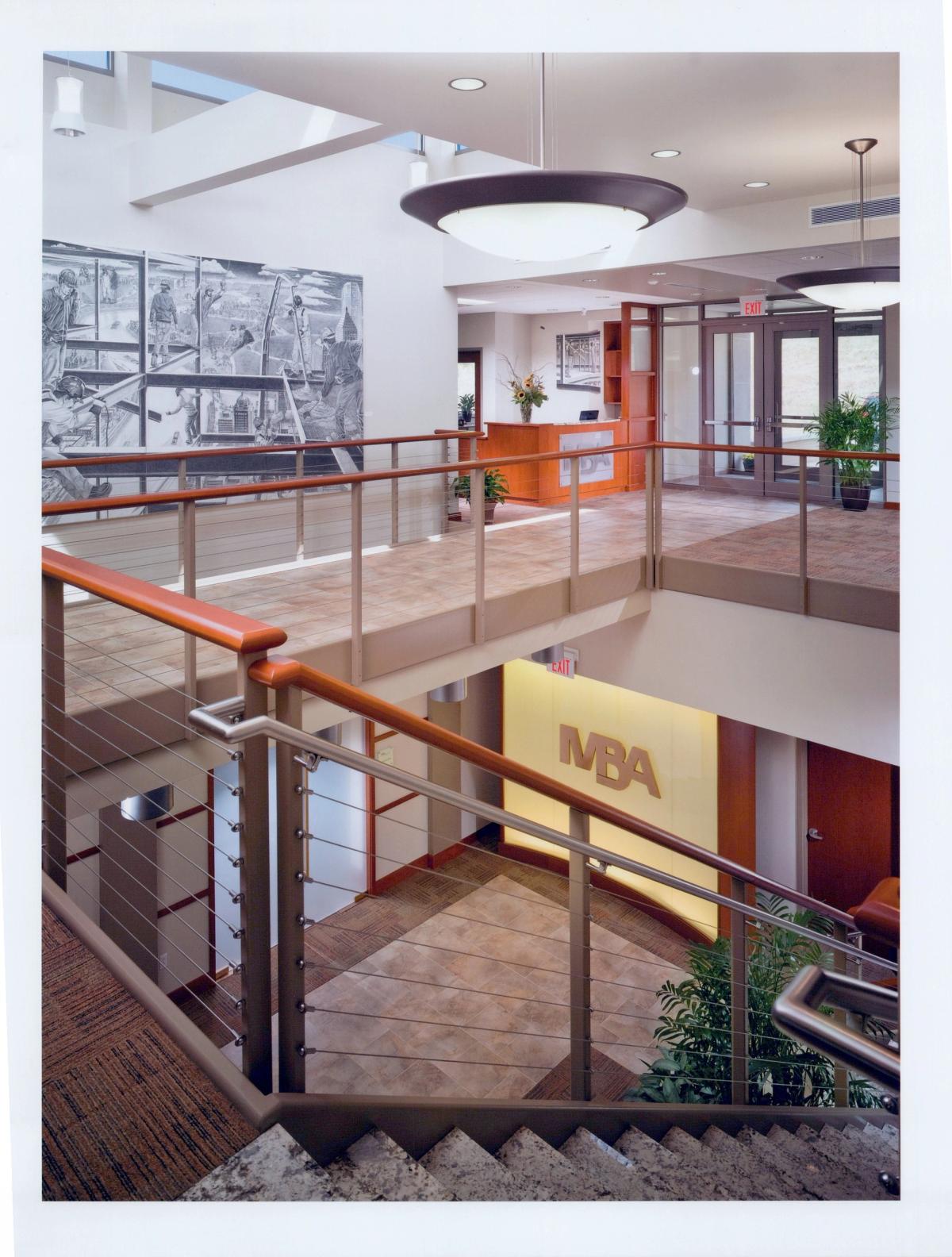
The F.J. Busse Company was the General Contractor on the Master Builders' Association headquarters
Much of that education happened directly alongside his father and grandfather, both of whom remained deeply involved in the business for decades. The overlap between generations created a form of construction education that extended well beyond technical knowledge. Estimating jobs with his father meant learning how to read scope gaps, manage subcontractors, and navigate the constant unpredictability of scheduling and labor. Years spent in the field had already taught him how projects were physically built. The office taught him how construction companies survived.
By the time Busse fully stepped into leadership, technology was dramatically changing the industry. The slower pace of mailed bids and hand-delivered drawings had given way to fax machines, digital plans, compressed bidding timelines, and increasingly aggressive schedules. But many of the underlying pressures remained the same: keeping crews working, maintaining relationships, protecting reputation, and adapting to forces outside the company’s control.
Each generation of Busse leadership faced unique challenges shaped not only by business needs, but by the era itself. John Paul witnessed that transition as well, but the defining challenges of his era were different.
On a historical scale, that challenge was obviously the Coronavirus. The pandemic delivered an immediate shock to the construction industry, disrupting jobsites, delaying material deliveries, straining labor availability, and forcing contractors to rapidly adapt to new safety protocols and operational uncertainty. Projects slowed, costs climbed, and everyday coordination — from inspections to client meetings — was suddenly reshaped by distancing requirements and supply chain breakdowns.
“The pandemic was crazy,” said John Paul.
“I mean they just shut down all our projects. You couldn’t even go into the office to coordinate. It was a long time of not knowing if you are going to sink or swim. Man, I lost 25 pounds during that time,” he said. “Maybe that was because the restaurants were shut down of maybe just stress."
“I don’t think everything is back to what it was before that. So much has changed. The people. The knowledge that we lost. The workforce that walked away from the industry. It was pretty intense.”
While many of the immediate restrictions faded, the pandemic left behind lasting effects that continue to shape the industry today, including persistent labor shortages, heightened material price volatility, expanded use of remote coordination technology, and a broader acceleration toward digital tools, flexible workflows, and data-driven project management.
On the business side, the big change was adapting to a world being rapidly reshaped by technology.
“In the old days, guys would mail their bids. The old-time peers said it all changed with the fax machine,” he said.
“Guys were sending their bids out on bid day, ten minutes before it's due. And so you're trying to make a decision of like, you don't have a scope, you don't know. Okay, you got this low number that's $100,000 lower than the next guy. What's his scope?”
The fax machine was obviously just the start for this old-school builder. Over John Paul’s tenure at the helm, communication has become instant. Software has supplemented human labor in a myriad of ways that would have been impossible for Francis Joseph to conceive.
And this change is about to escalate further with the arrival of artificial intelligence. However, at 59, this could be more of a problem for his successors.
When John Paul steps down, for the first time in Busse history, a female will take over. He has three daughters, two of whom, Abigail and Kristen, are in the family business. Abby is learning the ropes as a project manager while Kristen is in the office making finances work.
“I actually started in middle school,” laughed Abby. “Answering phone calls in the summer. I’ve been full time for over three years”
Abby recently obtained her master’s in civil engineering from Carnegie Mellon. As an undergrad, she obtained a degree in astrophysics.
“I knew that I wanted to go to school for engineering, but I fell in love with physics. I wouldn’t say I use astrophysics in my day to day, but the principles behind it, yes. Even though I went to school for very different things, I always thought I would end up here.”
Kristen is a recent grad of Robert Morris University, where she majored in business administration. She is learning in real time how a construction business functions behind the scenes.
“I didn’t exactly know what my role would be, but I knew I’d end up here. It’s just worked out, though. Sometimes we butt heads” Kristen said, nodding at her father.
“I’m set in my ways,” said John Paul, smiling.
It is impossible to foresee what unique challenges Abby and Kristen will face. Artificial intelligence will certainly reshape the industry far more than the fax machine, and entering a male-dominated field will present its own unique problems.
But they have time to learn. While John Paul has begun to think about the next steps, he isn’t ready to retire yet.
“Not any time soon,” he said.
When asked if their father would be like his father, and showing up at 80, both daughters answered in unison: Yes.
“You don’t just walk away,” he cried over his daughter’s groans.
On that, he is right. A business that started when people still rode horses into town, operating out of a space inside a car dealership for a vehicle that no longer exists, and enabled a family to produce trained engineers and astrophysicists, and shaped the perception of Pittsburgh as much as any skyscraper, does not just get walked away from. It isn’t a business at that point. It’s a member of the family. One that provides strength and continuity.
“When I look back on 100 years and everything that’s transpired, to still be in business… there were years where you wondered if you were going to make it through some of that stuff. But you look back and see your family, and they give you some strength. If they could make it through the Great Depression, they can make it through pretty intense things, so can we.”
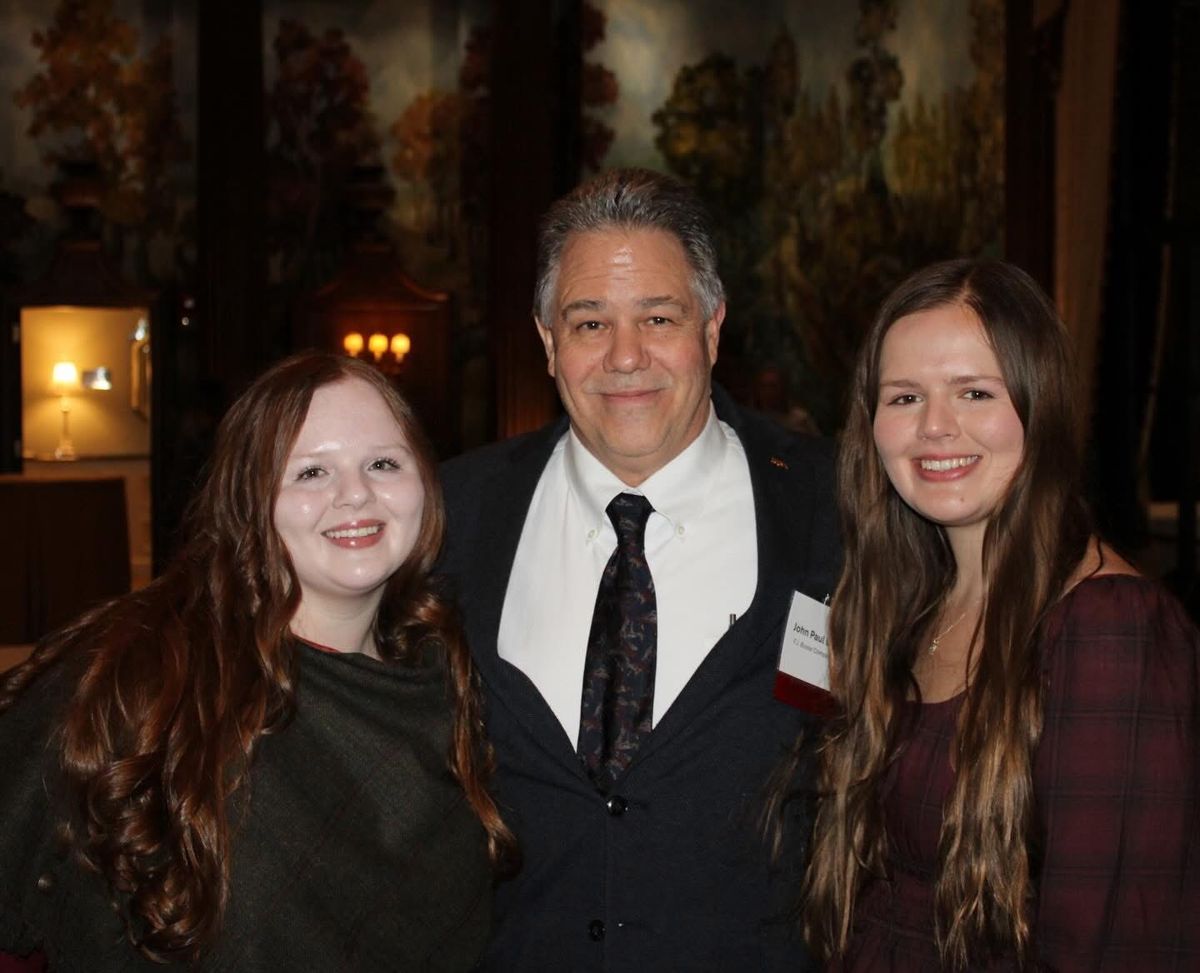
Abigail, John Paul, and Kristen at the MBA Annual General Contractors Meeting